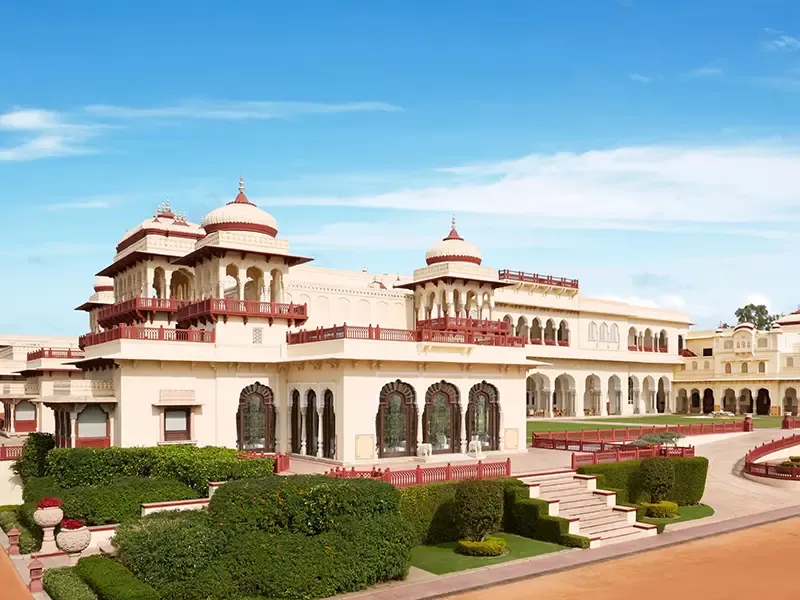
Colombo, Galle & the West & South Coast
NOVEMBER – APRIL
The dry season on the western and southern shores, ideal conditions for Colombo's city experiences, the colonial streets of Galle, and the finest stretches of coastline.
History, wilderness, and extraordinary beauty. One island.
Sri Lanka has been carrying the world's attention for centuries, as a spice trading post, a colonial prize, a Buddhist pilgrimage destination, and one of the Indian Ocean's most storied islands. That layered history is precisely what makes it so compelling. The ancient rock fortress of Sigiriya rising dramatically from the central plains. The Portuguese, Dutch, and British architecture folded into the lanes of Galle Fort. The mist-covered tea estates of Nuwara Eliya. The extraordinary leopard density of Yala, among the highest anywhere on earth. These are not simply sights. They are expressions of an island that has absorbed centuries of influence and remained, at its core, entirely its own.
For the discerning traveller, Sri Lanka offers something increasingly rare, a destination of genuine world-class quality that retains an unhurried, intimate character. Truly India designs journeys here that honour exactly that.
The dry season on the western and southern shores, ideal conditions for Colombo's city experiences, the colonial streets of Galle, and the finest stretches of coastline.
Cooler, drier conditions make this the most comfortable window for exploring the ancient cities of Sigiriya, Anuradhapura, and Polonnaruwa, some of Asia's most remarkable archaeological sites.
Two distinct dry windows offer the best conditions for the hill country. Kandy's famous Esala Perahera festival, one of Sri Lanka's grandest spectacles, takes place each July or August.
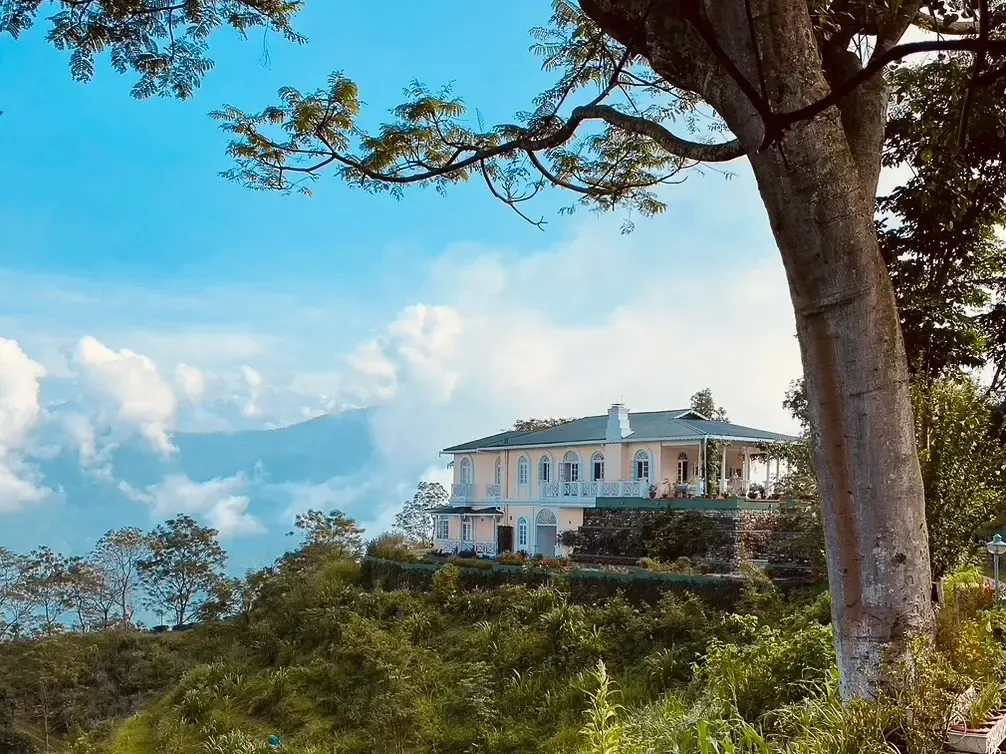
Crisp, cool, and beautifully atmospheric. The tea estates are at their most photogenic and the highland air is at its clearest during these months.
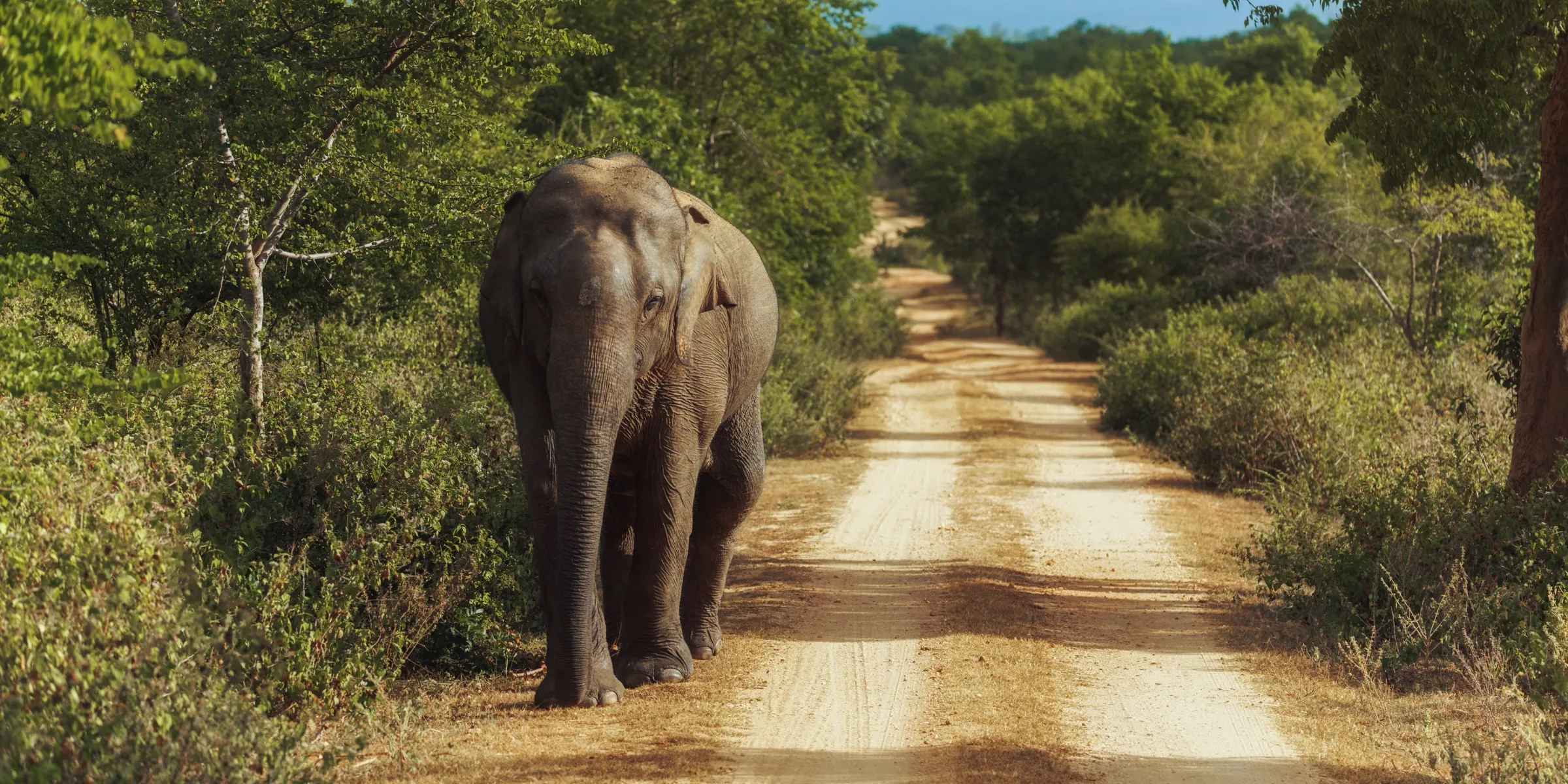
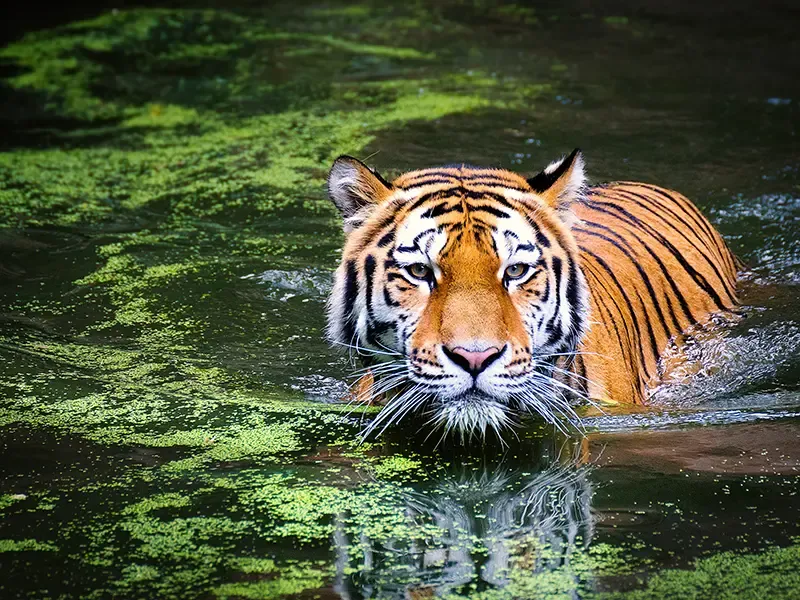
Peak wildlife season across the southern reserves. Yala offers some of Asia's finest leopard sightings; Udawalawe is exceptional for elephant herds. Yala partially closes in September and October.
The east coast operates on the opposite monsoon cycle to the west, dry and at its most beautiful precisely when the rest of the island is wet.
The north carries a drier climate overall. The northeast monsoon from October through January brings the least favourable conditions for travel in this region.

.j21Ee2uO_1MauP1.webp)
.D74HXUJC_Z10U8qJ.webp)
.BdKxsoFt_Z1zzaHm.webp)